Overcoming the Challenges of Engineered Plastics in CNC Machining
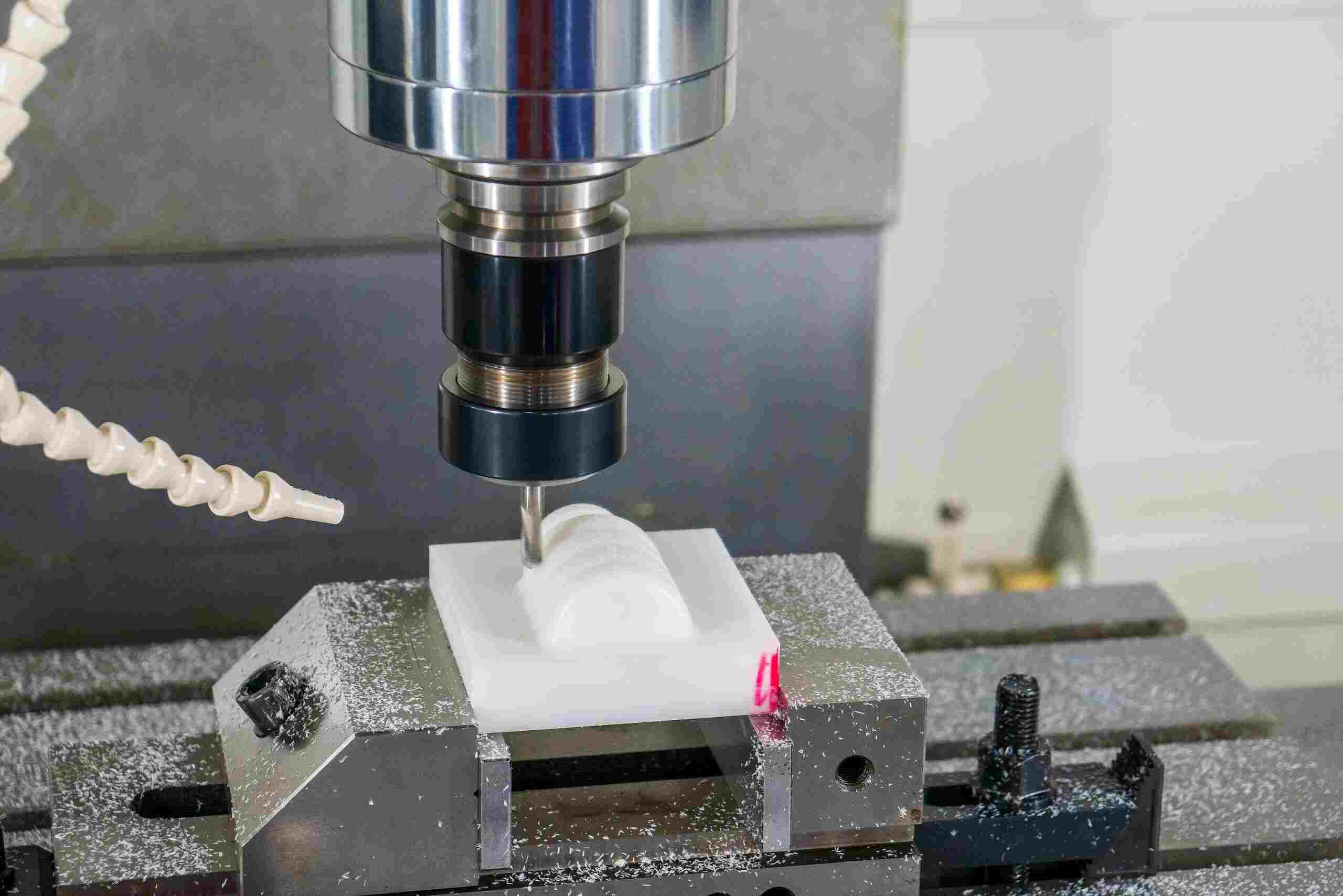
CNC machining often brings images of oddly shaped aluminum parts or hardened steel gears taking shape under spinning bits. The machines are large, complex, and powerful. But there’s another side to precision production—one that’s softer but no less technical: machining engineered plastics.
We’ve all seen how plastic increasingly replaces metal parts to save on weight and cost. It might seem like these plastic parts are cast from moulds, but that’s not always the case. Many plastic components are machined like their metal counterparts, especially when high precision is required or when the design calls for low-volume or prototype parts.
Thanks to materials science and machining technology advancements, engineered plastics have become a reliable and versatile solution for manufacturers across various industries. As machining engineered plastics continues to evolve, so do the tools, processes, and know-how needed to produce high-performance plastic parts at tight tolerances.
Understanding Engineered Plastics
Engineered plastics are high-performance polymers designed to withstand mechanical stress, heat, and chemical exposure better than commodity plastics. Unlike standard plastic materials used in packaging or toys, these plastics are tailored for demanding applications across medical, aerospace, electronics, and industrial sectors.
Common categories of engineered plastics used in CNC machining include:
- Thermoplastics: Nylon, Delrin (acetal), PEEK, and Polycarbonate can be melted and extruded into various shapes, making them ideal for machining and prototyping.
- Thermosets: These are already cured materials that cannot be remelted, such as G7 or FR-4. These are often used for their electrical insulating properties and high-temperature resistance.
Sometimes, companies choose engineered plastics over metal specifically for prototype development. They might mill a complex or unusual design in plastic as a test run. These prototypes aren’t always functional but help validate the part’s geometry and ensure compatibility with other components. Plastics are sometimes cheaper and easier to machine since CNC machines can take bigger cuts in plastic, so machining engineered plastics for early-stage testing is often a more efficient route.
In short, engineered plastics play a crucial role in modern manufacturing, offering a balance of performance, machinability, and cost-effectiveness, especially in high-mix, low-volume environments.
Unique Challenges in Plastic Machining
Although plastic may seem easier to work with than metal, machining engineered plastics presents unique challenges. From heat sensitivity to chip control and achieving tight tolerances, machining plastics requires experience, specialized tooling, and a deep understanding of material behaviour.
Heat Management
Plastics have a much lower melting point than metals. That means the frictional heat generated on CNC mills can easily deform or melt the part if not appropriately managed. It is also best to avoid traditional oil-based coolants since they can react chemically with certain plastics, compromising material integrity.
How to manage it:
- Air jets: Strong airflow forced through venturis helps cool the part and remove chips without introducing contamination.
- Water-based coolants: When needed, these offer a safer cooling option that is compatible with most plastics.
- CO2: Carbon dioxide cooling systems are sometimes installed on CNC equipment for critical applications to maintain one of the best contaminant-free cooling methods available for plastics.
- Reduced feed rates: The delicate balance between depth of cut and spindle speed is crucial in reducing heat to help reduce residual stress in the material.
Chip Control and Static
CNC machining of engineered plastic parts generates chips that tend to cling to surfaces due to static electricity. These chips can recirculate into the cutter, causing scratches, gouges, or even fused debris on the part’s surface.
Solutions include:
- Anti-static brushes or ionizing bars
- Enclosures with vacuum extraction
- Air knives to blow chips away during milling
Tooling Wear and Material Abrasion
Many high-performance plastics are reinforced with fibreglass or carbon fibre, significantly increasing the wear on cutting tools. Materials like PEEK GF or thermoset laminates like G7 are particularly abrasive.
Best practices:
- Use carbide, diamond-coated or ceramic cutting tools
- Designate specific machines for plastic only to avoid cross-contamination with metal particles
- Regular tool inspection and maintenance
Tolerance Expectations
In general, machined plastic parts are held to looser tolerances—typically around ±0.005″ (five-thousandths of an inch). However, some engineers request metal-level tolerances on plastic parts, which can be challenging and often not economically achievable.
Macfab has developed methods to achieve tighter tolerances in specific applications, though it does increase machining time and costs. Managing this expectation early in the design phase helps ensure efficient and accurate results.
Environmental Considerations
Minimizing plastic material waste is a growing priority. While recycling some plastics is possible, not all machine shops can do it. At Macfab, we:
- Sort and collect plastic swarf for recycling where possible
- Reuse offcuts in prototype jobs
- Implement software to optimize part nesting and material usage
Strategies for Success
Overcoming the hurdles of precision machining of engineered plastics takes more than just good machines—it takes the right strategies, tools, and mindset.
Here are some of the ways Macfab ensures precision and consistency in plastic machining:
Advanced Tooling and Programming
- Custom cutting tools: Tailored for clean cuts on soft or brittle plastics.
- High-speed spindles: Reduce heat generation and provide cleaner finishes.
- CAM software optimization: Carefully planning tool paths can minimize tool pressure and thermal load.
Machine Setup and Environment Control
- Dedicated plastic machining cells: Avoid cross-contamination with metals and allow fine-tuning for plastics.
- Climate control: Plastics expand and contract more than metals with temperature swings. A stable environment is key for tight-tolerance work.
Material-Specific Expertise
Each plastic behaves differently under stress. Our team understands how to adjust feeds, speeds, and clamping methods based on material properties, from UHMW’s slipperiness to Ultem’s rigidity.
Stress Relieving
The act of cutting plastic generates heat that induces stress and can result in unexpected dimensional changes after machining. The majority of plastics will benefit from pre and post machining stress relieving to help minimise these dimensional changes.
Applications of Engineered Plastics
Machining engineered plastics is essential across a wide range of industries—especially when tight tolerances, chemical resistance, or weight reduction is critical.
Here’s a more in-depth look at how different sectors are using precision-machined plastics to enhance performance, improve manufacturability, and meet evolving design requirements:
Medical Devices
From single-use tools to high-precision enclosures for sensitive diagnostic equipment, engineered plastics are an ideal fit for the medical field.
Applications:
- Surgical instruments: Lightweight, sterilizable tools made from PEEK or polycarbonate reduce surgeon fatigue and can withstand repeated autoclaving.
- Pump housings and fluid manifolds: CNC-machined Delrin or acrylic parts offer high chemical resistance and tight dimensional control, critical for fluid handling.
- Implantable devices and orthotics: High-performance plastics are often used for temporary implants or prosthetic components due to their biocompatibility and strength.
Why plastics? Lightweight, sterilizable, non-reactive materials with good machinability allow for fast prototyping and customization. This is especially important in medical R&D, where production timelines are tight and design changes are frequent.
Aerospace
In aerospace, weight is money—and plastics deliver both savings and performance. CNC-machined plastic parts are increasingly replacing metal in non-load-bearing applications, and in some cases, even structural components.
Applications:
- Bearings and bushings: Self-lubricating plastics like PTFE or Nylon reduce friction without the need for maintenance.
- Avionics enclosures: Machined from Ultem or FR-4, these parts offer high heat resistance and insulation.
- Thermal and electrical insulators: Materials like G7 and PEEK maintain integrity under extreme thermal and mechanical stress.
Why plastics? Excellent strength-to-weight ratios, resistance to outgassing in vacuum environments, and consistent behaviour in wide temperature swings make engineered plastics indispensable for both atmospheric and space-based applications.
Electronics and Electrical
CNC-machined plastics are critical in electronics manufacturing, where insulation, dimensional accuracy, and resistance to electromagnetic interference are essential.
Applications:
- Circuit board substrates: FR-4 and other epoxy laminates are milled to accommodate custom board layouts.
- Connector housings and insulators: Precision-machined thermoplastics ensure proper fit and function in high-density electronic assemblies.
- Sensor components: Plastics such as acetal or polycarbonate are used in optical and infrared sensor housings due to their dimensional stability and clarity.
Why plastics? Their non-conductive nature, flame retardancy, and ease of machining make engineered plastics the go-to choice for many electronic assemblies, especially where space is tight and performance is non-negotiable.
Industrial Equipment
In industrial automation, plastics often outperform metals in wear applications, particularly where lubrication is limited or cleanliness is critical.
Applications:
- Gears, sprockets, and rollers: Materials like UHMW or acetal run quieter and with less wear than their metal counterparts.
- Custom fixturing and jigs: Machined plastic fixtures are ideal for light-duty holding or locating components during assembly.
- Chemical handling systems: Machined PTFE or PVDF parts withstand aggressive chemicals and high-pressure environments.
Why plastics? They’re quieter, require less maintenance, and are often easier to replace or rework. In industries like food processing or pharma, plastics also help meet hygiene and contamination standards.
The Future of Engineered Plastics is Bright
Macfab handles a lot of plastic machining, especially in the medical industry, where the demand for single-use devices and lightweight, precision plastic components continues to rise. From pumps and sensors to enclosures and prosthetics, machining engineered plastics is helping push the boundaries of modern healthcare.
In aerospace, plastics are now essential. Metal-on-metal contact can cause galling or fusion in space, so plastics make up many spacers, bushings, or insulators. The weight savings also contribute directly to performance and cost savings in satellite and spacecraft production.
Developing next-generation polymers, such as bio-based or self-lubricating plastics, will open even more doors for precision plastic parts. 3D printing is also starting to intersect with CNC plastic machining, offering new hybrid approaches for prototyping and small-batch production.
At Macfab, we’re not just keeping up with these trends—we’re helping to shape them. Whether you’re designing the next generation of surgical tools or building electronics that go to space, our expertise in machining engineered plastics ensures we will do your parts right the first time.
