CNC Machining & Medical Analytics Equipment Manufacturing
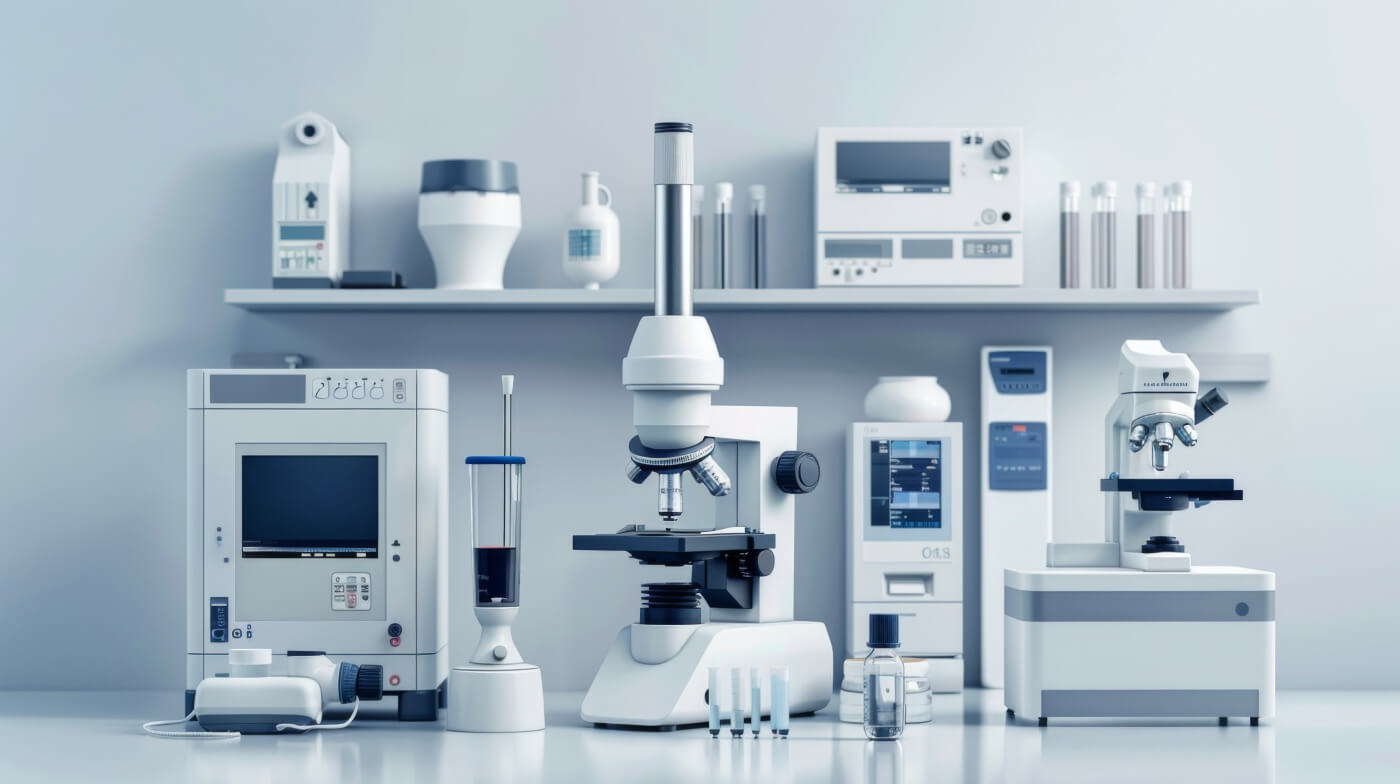
CNC machining plays a critical role in producing accurate and high-quality medical devices. This article highlights its importance in medical analytics equipment manufacturing, such as blood and urine analysis devices and cancer research tools. Learn how CNC machining improves precision and drives innovation in medical technology.
The Marriage of Medicine and Machining
Analytical devices, including blood and urine analyzers, cancer detectors, and therapeutic drug monitors, are indispensable in today’s medical landscape. They allow healthcare professionals to diagnose, monitor, and treat conditions accurately and efficiently.
At the heart of producing these precise tools is CNC technology, which has transformed the manufacturing of medical devices. CNC machines bring unmatched precision and consistency to the production process, which is critical for ensuring patient safety and the reliability of diagnostics.
By adhering to stringent specifications, these machines create intricate components for these devices, significantly reducing the risk of human error. Their automated processes guarantee uniformity in production, cutting down variability and boosting reliability.
The precision of these devices enables them to operate as required, propelling innovations in personalized medicine and leading to better patient outcomes and breakthroughs in healthcare.
Precision and Repeatability in CNC Machining
The precision and accuracy provided by CNC machining services are essential for the medical industry. Even the slightest error in medical device manufacturing can lead to complications.
The ability to produce components with exact specifications and tight tolerances directly impacts the performance and reliability of analytical medical devices and detection equipment, reducing the risk of errors during medical analysis.
Medical devices must comply with stringent regulatory standards beyond typical manufacturing requirements, and CNC machining offers the precision and repeatability that medical device manufacturing demands.
CNC machining excels in producing high-quality medical components batch after batch, reducing variability and enhancing the reliability of medical applications.
The Diminishing But Persistent Demand for CNC Machining
Emerging technologies like microfluidics and 3D printing are reducing CNC machining’s dominance in manufacturing by introducing new capabilities and efficiencies. Microfluidics enables the creation of intricate, small-scale fluid channels essential for lab-on-a-chip devices. At the same time, 3D printing offers rapid prototyping and the ability to produce complex geometries that traditional CNC machining may struggle to achieve.
These technologies complement CNC machining by expanding possibilities and offering alternative manufacturing methods for specialized applications, although CNC’s future remains optimistic for high-volume, critical components requiring rigorous quality control.
CNC Machining’s Adaptation and Innovation
CNC machining companies adapt to changing demands by incorporating advanced technologies and embracing flexible manufacturing strategies. For example, Macfab Manufacturing is integrating automation, real-time monitoring systems, and advanced CAD/CAM software to enhance efficiency and precision.
By investing in employee training and state-of-the-art equipment, we maintain quality, precision, and repeatability, meeting evolving industry needs without compromising standards.
Final Thoughts on Medical Precision Machining
CNC machining will continue to play an essential role in medical analytics by delivering a precise and reliable manufacturing process for producing high-quality medical devices. Its ability to make complex, accurate components ensures these devices meet stringent industry standards.
Due to its unparalleled precision and reproducibility, CNC machining remains robust despite emerging technologies. Explore Macfab’s CNC solutions to discover how we can elevate your medical analytics manufacturing needs, fitting seamlessly into the industry’s high demands and pushing the boundaries of innovation.
