Meeting the Demand for Critical Components in CNC Machining
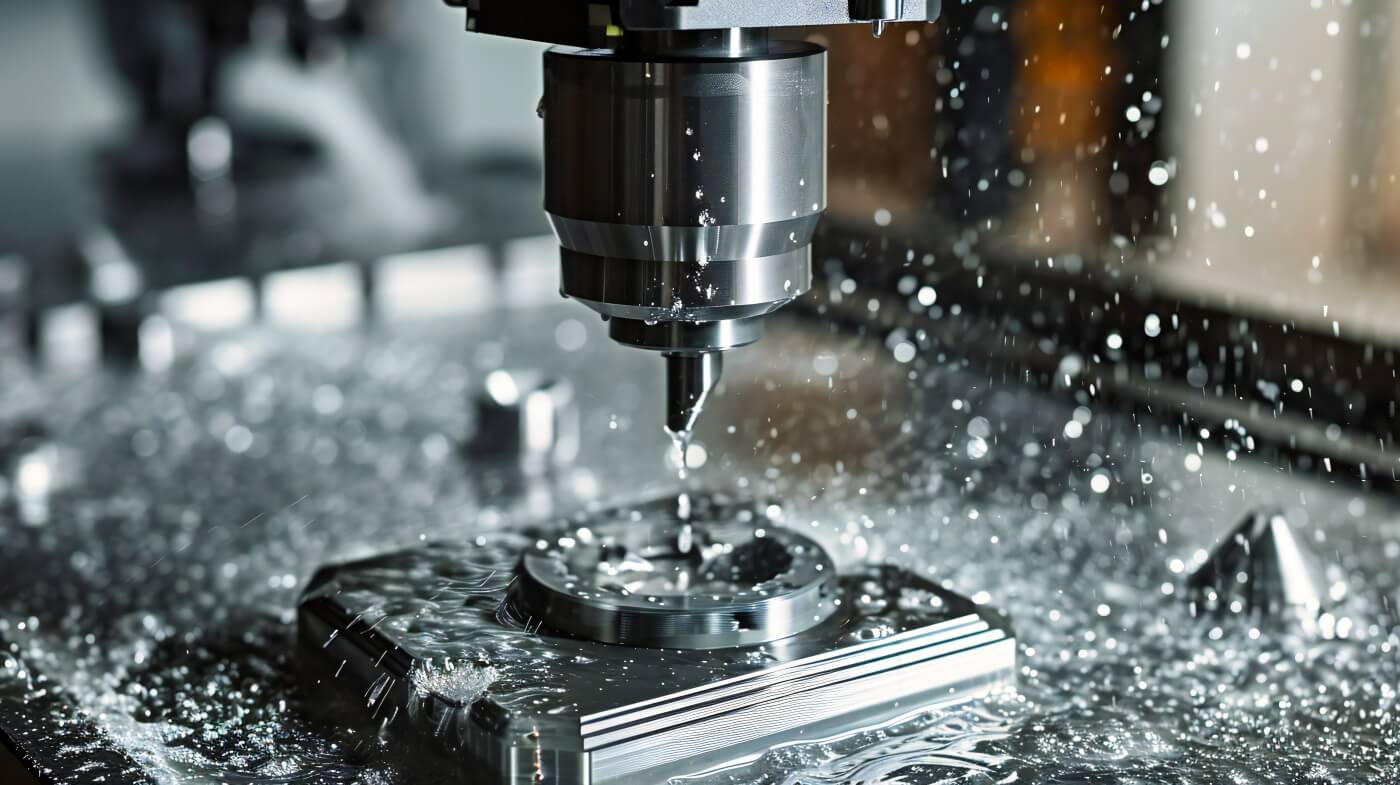
Precision and consistency are essential when manufacturing critical components. These parts are defined by their important role in a more extensive system or a product’s functionality, safety, and reliability, and they are integral to the operation of complex systems. Any failure or defect in these highly-precise parts can lead to significant malfunctions, safety hazards, or total system breakdowns.
These include aircraft engine parts, medical devices, automotive safety mechanisms, and electronics used in critical applications. They present unique challenges that demand advanced technological solutions. In this context, CNC machining works as a game-changer, empowering the manufacturing industry to create highly intricate and precise parts with unmatched accuracy.
The Role of CNC Technology in Manufacturing Critical Components
Computer numerical control (CNC) machines embody precision, producing parts with high quality and tight tolerances. Using CAD (computer-aided design) software to create highly detailed and accurate digital parts designs, they operate based on pre-programmed sequences of machine control commands, eliminating the variability and human error inherent in manual machining. This technology ensures consistent and repeatable precision that instills confidence in the accuracy of CNC machining.
Material Selection for Critical Components
Suitable materials that withstand the stresses and conditions of their intended environment are essential for critical component manufacturing. The material’s properties, such as strength, hardness, and flexibility, directly affect the component’s performance. Using the right material ensures the durability and safety of the custom part and compliance with regulatory standards, avoiding legal and safety issues.
By closely collaborating with clients and leveraging their expertise in materials science and machining processes, a CNC machine shop can ensure the optimal functionality and reliability of the final product.
CNC Machining Collaboration and Communication
Collaboration between design engineers, decision-makers, and the CNC machining company helps achieve superior outcomes. Working together from the outset ensures that the design specifications are fully understood and optimized for manufacturability. This integrated approach allows for early identification and resolution of potential issues, reducing the risk of costly errors and lead time.
Decision-makers contribute by balancing budgetary constraints and project timelines with quality requirements, while the CNC machining company provides expert insights into material selection, machining processes, and tolerances. As a result, the final product benefits from enhanced functionality, precision, and cost-efficiency, ultimately leading to higher customer satisfaction.
Industry Trends in CNC Machining of Critical Components
CNC machining is undergoing significant transformations with the start of cutting-edge technologies, the most notable being the integration of the Internet of Things (IoT), advanced data analytics, and machine learning. The incorporation of IoT enables real-time monitoring and connectivity of various machines, resulting in enhanced efficiency and predictive maintenance.
Advanced data analytics expands this process by providing valuable insights into machine performance, production rates, and operational bottlenecks. By analyzing extensive data, manufacturers can optimize their processes, reduce waste, and improve productivity.
In addition, manufacturers are harnessing machine learning algorithms to predict trends, automate complex machining tasks, and adapt to changing manufacturing conditions. These algorithms learn from historical data, continuously improving their performance and allowing for highly precise and efficient operations.
Risk Management and Quality Control in CNC Machining Critical Parts
CNC machining companies implement several risk management strategies to avoid production failures when manufacturing critical components. Here’s an overview:
Rigorous Inspections
- Initial Setup Inspection: Before the production cycle begins, the machine operator inspects the setup, machining tooling, and part-holding fixtures.
- In-process Inspection: The machinist monitors and inspects the parts during the machining process to detect any deviations or defects early.
- Final Inspection: An inspector checks the finished parts against specifications using precision measurement tools.
Adherence to Stringent Tolerances
Critical components must meet tight tolerances to ensure fit, form, and function, minimizing the risk of assembly issues or part failures. Detailed blueprints and CAD models define precise tolerances for each part, ensuring consistency in production.
Preventive Maintenance
Regular maintenance schedules prevent unexpected breakdowns and maintain optimal performance while record-keeping anticipates and mitigates potential issues.
Quality Control Systems
Standardized quality control procedures such as ISO certifications and statistical process control (SPC) monitor production processes and identify trends that might indicate potential problems.
Training and Expertise
Continuous training for machine operators and quality inspectors keeps them updated with the latest techniques and standards.
Supply Chain Management
Partnering with reliable suppliers ensures the quality of raw materials and components, while regular supplier assessments and audits maintain quality standards.
Turn to the Experts for Manufacturing Critical Components
Macfab distinguishes itself by producing critical parts and components that general CNC machine shops can’t handle. We are an AS 9100 and ISO 9001:2015 certified supplier. Our comprehensive quality management processes and system also incorporate stringent standards and requirements of ISO13485. We specialize in manufacturing complex parts and components with tight tolerances that demand high precision, and this capability is what sets us apart in the manufacturing industry.
Contact us for your next CNC milling machine project that involves the production of critical components, ensuring a partnership that values precision, innovation, and reliability!
